

Search
-
or select -



When it comes to luxury vehicles, two names often come up: Acura & Lexus — both brands are known for their quality, performance, and luxury features. However, if you’re in the market for a new car, you might find yourself wondering which brand to choose. In this article, we’ll dive into the details and compare Acura vs Lexus — in order to uncover which luxury brand may be the better choice for you.
When choosing a luxury vehicle, it’s essential to consider factors beyond aesthetics—reliability, performance, technology, and overall value play a crucial role in determining the best fit for your lifestyle. Acura vs Lexus is a longstanding comparison, with both brands offering high-end features, advanced engineering, and a reputation for quality. But which one truly delivers the best combination of luxury, innovation, and driving satisfaction?
This guide breaks down the key differences between the Acura vs Lexus brands, helping you make an informed decision based on your priorities, whether it’s reliability, technology, or long-term value.
| Topic | Acura | Lexus |
|---|---|---|
| Brand Legacy | First Japanese luxury brand, launched in 1986 by Honda. Known for reliability, driving experience, and innovation. |
Toyota’s luxury division, introduced in 1989. Focuses on comfort and refinement. |
| Reliability | Strong track record with fewer reported issues and lower maintenance costs. | Generally reliable but recent models have shown minor concerns. |
| Value for Money | More affordable with competitive pricing, offering similar luxury and performance at a lower cost. | Higher price point, sometimes not justified by premium features. |
| Performance | Focuses on precision and agility with sporty models and SH-AWD for superior handling. | Prioritizes a smooth and quiet ride, favoring comfort over sportiness. |
| Technology | User-friendly infotainment system, advanced driver-assistance features. | Offers advanced tech but infotainment systems can be less intuitive. |
| Customer Loyalty | Strong following due to reliability, affordability, and balanced performance. | Loyal customer base drawn to luxury and refinement. |

Before we get into the nitty gritty of comparing these two brands, let’s take a quick look at their backgrounds. Acura is the luxury vehicle division of Honda, launched in 1986. It was the first Japanese luxury brand and has built a reputation for reliability and innovation. Acura’s inception marked a pivotal moment in the automotive industry, as it sought to challenge the dominance of European luxury car makers by offering a unique blend of performance, luxury, and durability.
Lexus, on the other hand, is Toyota’s luxury vehicle division, introduced in 1989. Lexus quickly became synonymous with luxury and comfort, aiming to compete with established European brands. The brand’s introduction was part of Toyota’s strategic plan to create a luxury segment that could appeal to a global audience, particularly in the United States. Over the years, Lexus has carved out a niche for itself with its meticulous attention to detail and commitment to providing a serene driving experience.
Both brands have their strengths — let’s continue to explore and compare the Acura vs Lexus design philosophies.
When purchasing a luxury vehicle — and comparing Acura vs Lexus — reliability is a crucial factor to consider. After all, you want your investment to stand the test of time without frequent visits to the repair shop. A reliable vehicle not only provides peace of mind but also ensures that your ownership experience remains hassle-free, allowing you to enjoy the luxury aspects of the car without interruption.
Reliability also plays a significant role in the long-term value of a vehicle. Cars that are known for their dependability often retain their resale value better, making them a wise financial choice. In the luxury segment, where initial costs are higher, ensuring that the vehicle remains trouble-free over the years is of utmost importance.
Acura has consistently been praised for its reliability. Thanks to Honda’s engineering excellence, Acura vehicles are built to last. Many Acura owners report fewer issues and lower maintenance costs over the years. This reputation for reliability is a significant advantage for Acura. The brand’s commitment to quality engineering and robust manufacturing processes ensures that its vehicles perform consistently well over time.
Moreover, Acura’s reliability is often highlighted in consumer reports and automotive reviews, reinforcing the brand’s image as a dependable choice. This reputation is not just based on anecdotal evidence but is supported by data from various reliability surveys and studies. Such consistency in performance makes Acura an appealing option for buyers who value long-term peace of mind.
Lexus is also known for its reliability, often ranking high in various reliability surveys. However, some recent models have shown minor issues, which may concern potential buyers. While Lexus is generally reliable, Acura’s track record gives it a slight edge in this department. Lexus owners do appreciate the brand’s commitment to addressing any issues promptly, but for those who prioritize an impeccable track record, Acura remains a strong contender.
↳ It’s worth noting that Lexus’s reputation for reliability is built on decades of delivering well-engineered vehicles. However, the brand’s recent challenges highlight the importance of continuous improvement, something that Acura seems to excel at — Acura’s consistency over the years gives it a noteworthy advantage.
For complete transparency —
Both brands offer reliable vehicles & often find themselves close neighbors in the annual brand reliability reports — even shifting places with eachother over the years. Therefore, when comparing Acura vs Lexus reliability trends, both brands can offer peace of mind that you’ll be in good hands.
When purchasing a luxury vehicle, the balance between cost and features plays a crucial role in determining overall value. Buyers seek a combination of premium craftsmanship, advanced technology, and strong resale value—all while ensuring they are making a smart financial decision. The comparison between Acura vs Lexus highlights how pricing strategies, included features, and long-term ownership costs influence the perception of value.
While some prioritize exclusivity and brand prestige, others look for a well-rounded package that delivers luxury without unnecessary premium costs. Understanding how different manufacturers position their offerings can help buyers make an informed choice that aligns with both their budget and expectations.
When it comes to value for money, Acura has a distinct advantage. Acura vehicles often come with a lower price tag compared to their Lexus counterparts while offering similar — or greater — levels of luxury and performance. This affordability factor makes Acura an attractive option for those looking for a luxury vehicle without breaking the bank. Acura’s competitive pricing strategy allows buyers to access high-quality vehicles with advanced features at a more accessible cost.
Moreover, Acura’s vehicles are known for their strong resale value, further enhancing their appeal as a cost-effective luxury choice. The brand’s focus on providing premium features without the premium price ensures that buyers get excellent value for their investment. For budget-conscious consumers who refuse to compromise on quality, Acura presents a compelling proposition.
Lexus vehicles tend to be priced higher, which can be a deterrent for budget-conscious buyers. While the brand’s reputation for luxury and refinement is undeniable, the higher price point may not always justify the premium. Lexus’s pricing strategy reflects its positioning as a premium brand, often targeting buyers who are willing to pay more for a heightened sense of luxury and exclusivity.
↳ However, for those who are open to exploring alternatives, Acura offers a similar level of sophistication and performance at a more competitive price. This makes Acura a viable option for luxury car enthusiasts who are mindful of their budget. Although Lexus delivers on its promise of luxury, buyers seeking the best value for money may find Acura’s offerings more aligned with their financial expectations.
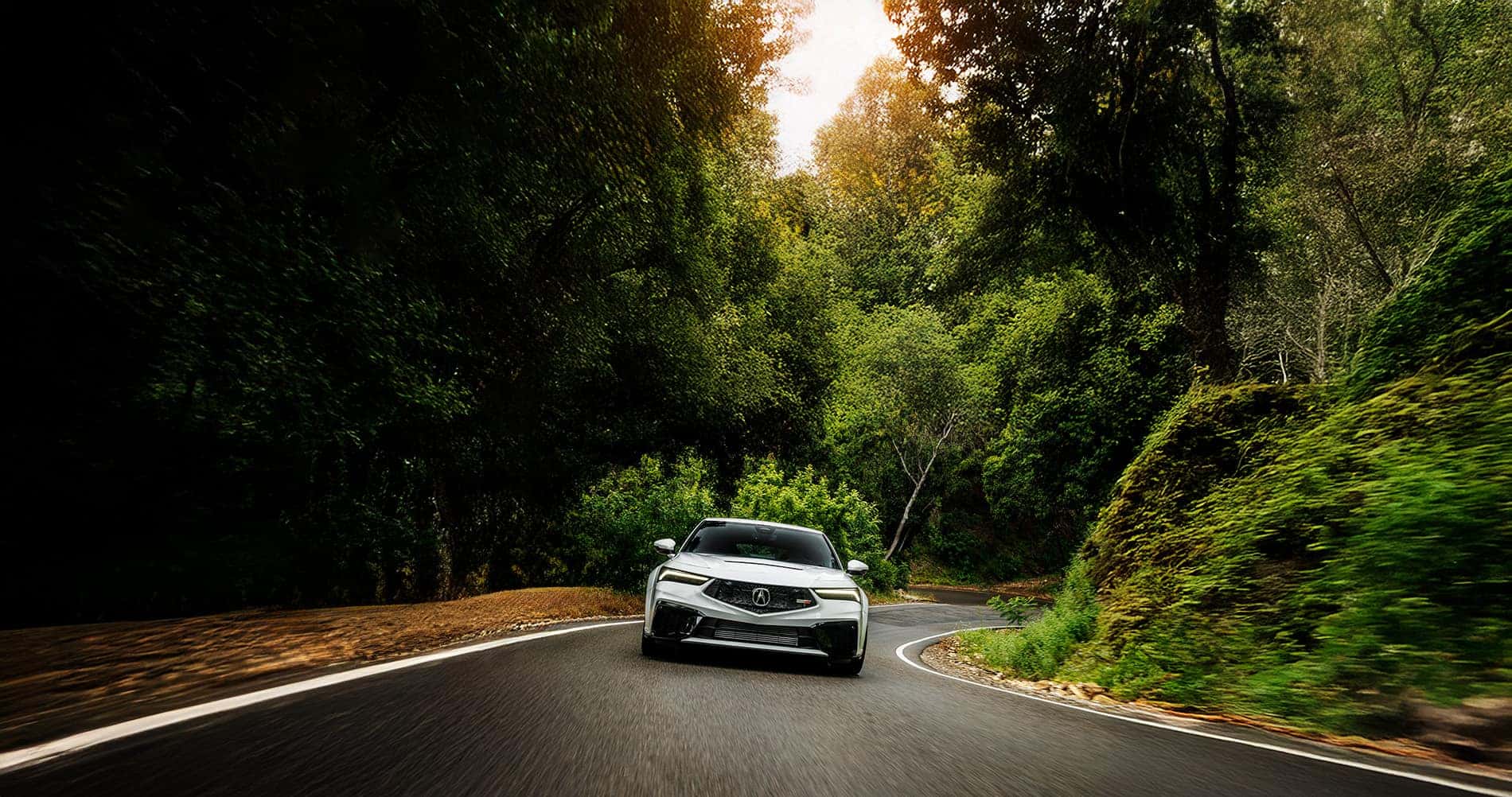
A luxury vehicle isn’t just about high-end materials or advanced technology — it’s about how the car feels on the road. Performance and driving experience play a crucial role in shaping ownership satisfaction, influencing everything from handling precision to overall ride comfort. Whether you value spirited acceleration, responsive steering, or a smooth, quiet ride, these factors define a luxury vehicle’s identity. A well-engineered driving experience can enhance confidence behind the wheel, ensuring that every journey is not only enjoyable but also tailored to the driver’s preferences. Understanding how various Acura vs Lexus models approach performance and comfort helps buyers find the perfect balance between refinement and excitement.
When it comes to performance, Acura vehicles are engineered with a focus on precision and agility. The brand offers a range of sporty models that provide a thrilling driving experienc.e. Acura’s Super Handling All-Wheel Drive (SH-AWD) system, for example, enhances handling and stability, making it a favorite among driving enthusiasts. This system is designed to distribute torque dynamically, offering superior traction and control, especially in challenging driving conditions.
Acura’s commitment to performance is also evident in its powertrain options and suspension tuning. The brand’s sporty sedans and SUVs are equipped with engines that deliver both power and efficiency, ensuring that drivers don’t have to compromise on either aspect. For those who value a spirited drive, Acura’s performance-focused engineering is sure to impress.
Lexus vehicles are known for their smooth and comfortable ride, prioritizing luxury over sporty performance. While they offer powerful engines, the driving experience is generally more focused on comfort and quietness. Lexus models are often equipped with advanced noise-cancellation technology and plush interiors, creating a serene environment for occupants. If you’re looking for a spirited driving experience, Acura might be the better choice.
For those who prefer a refined and relaxed driving experience, Lexus stands out with its attention to detail in cabin comfort and ride quality. The brand’s dedication to luxury is reflected in every aspect of its vehicles, from the high-quality materials used in the interior to the advanced suspension systems that absorb road imperfections. However, for buyers who seek a more engaging drive, Acura’s focus on performance provides a compelling alternative.
Advanced technology plays a pivotal role in the modern luxury vehicle experience, enhancing convenience, safety, and overall driving enjoyment. From cutting-edge infotainment systems to sophisticated driver-assistance features, the level of innovation integrated into a vehicle can significantly impact ownership satisfaction.
As automotive brands continue to evolve, the competition between Acura vs Lexus highlights the importance of intuitive tech, seamless connectivity, and enhanced safety functions. Whether prioritizing ease of use or exploring the latest advancements in hybrid and autonomous technology, understanding how these features influence the driving experience is essential for making an informed choice.
Acura has been at the forefront of integrating advanced technology into its vehicles. From cutting-edge infotainment systems to driver-assistance features, Acura ensures that drivers have access to the latest tech. The brand’s commitment to innovation is evident in its pursuit of excellence. Acura’s infotainment systems are designed with user-friendliness in mind, offering intuitive interfaces that enhance the driving experience.
In addition to infotainment, Acura has made significant strides in safety technology. Features such as adaptive cruise control, lane-keeping assist, and collision mitigation systems are standard on many models, showcasing the brand’s dedication to providing a safe and enjoyable driving experience. Acura’s focus on innovation ensures that its vehicles remain competitive in an ever-evolving automotive landscape.
Lexus also offers a range of advanced technology features, but some users have noted that the infotainment systems can be less intuitive compared to Acura’s offerings. While Lexus does provide top-notch tech, Acura’s user-friendly approach gives it an edge. Lexus vehicles often come equipped with high-quality audio systems and advanced climate control features, enhancing the luxury experience for occupants.
Despite some criticisms of its infotainment interface, Lexus continues to innovate in other areas, such as hybrid technology and autonomous driving features. The brand’s commitment to sustainability is reflected in its extensive lineup of hybrid models, which combine luxury with environmental consciousness. However, for those who prioritize ease of use in technology, Acura’s offerings may be more appealing.

Loyalty and customer satisfaction are defining factors in the luxury automotive market, shaping long-term ownership experiences and brand reputation. A luxury vehicle isn’t just a purchase—it’s an investment in reliability, service quality, and the overall driving experience. The Acura vs Lexus comparison highlights how strong customer relationships, repeat purchases, and positive brand sentiment contribute to lasting loyalty.
While some buyers prioritize proven reliability and cost-effectiveness, others seek the prestige and refinement associated with established luxury brands. Understanding how customer satisfaction influences long-term brand loyalty can help buyers choose a vehicle that aligns with their values and expectations.
Acura has cultivated a loyal customer base over the years, thanks to its reliability, performance, and value. Many Acura owners appreciate the brand’s commitment to quality and often return for their next vehicle purchase. This brand loyalty speaks volumes about customer satisfaction. Acura’s emphasis on building lasting relationships with its customers through excellent service and reliable products has resulted in a strong community of brand advocates.
The brand’s focus on customer-centric initiatives, such as comprehensive warranty programs and responsive customer service, further strengthens its appeal. Acura’s ability to meet and exceed customer expectations consistently has resulted in high levels of satisfaction and repeat business. This loyalty is a testament to the brand’s dedication to delivering an exceptional ownership experience.
Lexus also enjoys a loyal following, especially among those who prioritize luxury and comfort. The brand’s reputation for delivering a refined and serene driving experience has garnered a devoted customer base. However, Acura’s ability to provide a balanced package of reliability, performance, and affordability has garnered a strong fan base. Lexus’s approach to customer satisfaction is centered around creating a luxurious experience that caters to discerning buyers.
While both brands boast loyal followings, Acura’s focus on offering a well-rounded package at a competitive price has resonated with a broad audience. This diverse appeal positions Acura as a strong contender in the luxury segment, particularly for those who seek a blend of performance, value, and reliability.
In the battle of Acura vs Lexus, both brands have their unique strengths and appeal to different types of buyers. If you prioritize reliability, performance, and value for money, Acura emerges as the strong contender. With its track record of reliability, sporty performance, and competitive pricing, Acura offers a compelling package for luxury car enthusiasts. Acura’s focus on providing a well-rounded driving experience ensures that buyers receive excellent value without compromising on quality or features.
Ultimately, the choice between Acura vs Lexus depends on your personal preferences and priorities. Whether you lean towards Acura’s precision engineering or Lexus’s luxurious comfort, both brands are sure to deliver a satisfying driving experience. Happy driving! Buyers are encouraged to test drive models from both brands to determine which aligns best with their lifestyle and preferences. The decision should reflect one’s individual values and driving aspirations, ensuring a fulfilling ownership journey.