

Search
-
or select -


Elk Grove Acura Service Department
Coolant condition, radiators, water pumps, thermostats and hoses inspected and serviced to Acura specification — by technicians who know what a Sacramento Valley summer asks of a cooling system.
Schedule Service Online Call Service: (877) 707-7834Maintenance intervals are written for an average climate. Elk Grove is not one.
A Sacramento Valley summer runs weeks at a stretch above a hundred degrees, and the cooling system's job gets measurably harder as ambient temperature rises, because it works by shedding heat into the air around it. Hotter air means a smaller temperature difference to work with, which means the radiator has to move more air and the coolant has to do more work for the same result. Add stop-and-go traffic on Highway 99 or I-5, where there is no airflow through the grille except what the fans pull, and the system spends the afternoon at the top of its operating range rather than the middle.
Then there are the grades. A loaded vehicle climbing Highway 50 toward Tahoe or I-80 toward Donner in July is asking the engine for sustained high output and the cooling system for sustained high capacity, for a long time, in heat. That combination finds weaknesses that never show up on a commute.
None of this means the system will fail. It does mean that coolant condition, hose condition and cap sealing are worth checking here at intervals that would look conservative somewhere milder — and that a cooling system which is merely adequate in February can come up short in August.
A needle that sits higher than it used to, especially in traffic or on a climb, is the earliest useful warning you get. It is worth acting on before it reaches the red.
Ethylene glycol has a distinctly sweet smell. Noticing it near the front of the vehicle after a drive usually means coolant is escaping somewhere and reaching something hot.
A sealed system should not consume coolant. If the level drops repeatedly, it is going somewhere, and finding out where is the whole job.
Cabin heat comes from engine coolant. A heater that has stopped producing warmth often points to a low coolant level, a stuck thermostat or air trapped in the system.
Coolant is usually pink, blue, orange or green and feels slick rather than watery. Clear water under the car on a hot day is almost always just air conditioning condensate, which is normal.
The condenser sits in the same airflow as the radiator and shares the same cooling fans. A/C that works on the move and quits at a stoplight can be a cooling system symptom rather than a refrigerant one.
It is a sealed loop of components that each fail in their own way, which is why "it is overheating" is a symptom rather than a repair.
Not just antifreeze. The fluid carries heat away from the engine, raises the boiling point, lowers the freezing point and — the part people forget — carries a corrosion inhibitor package that protects aluminum and iron components from each other. Those additives deplete with time and heat. Coolant that still looks fine can have lost most of its protective capability, which is why condition gets tested rather than eyeballed.
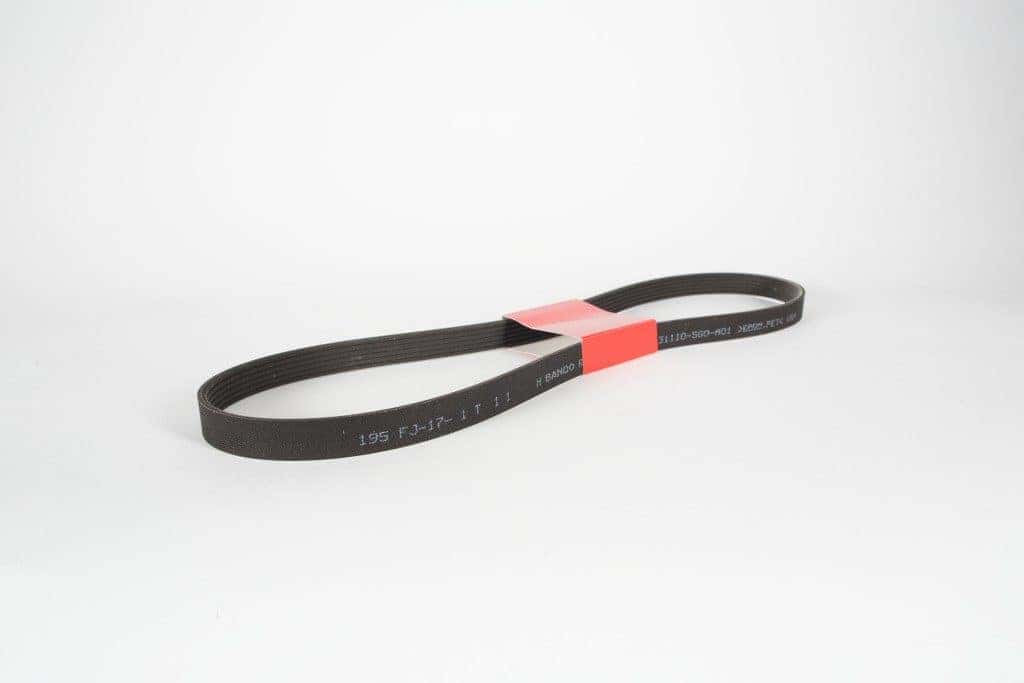
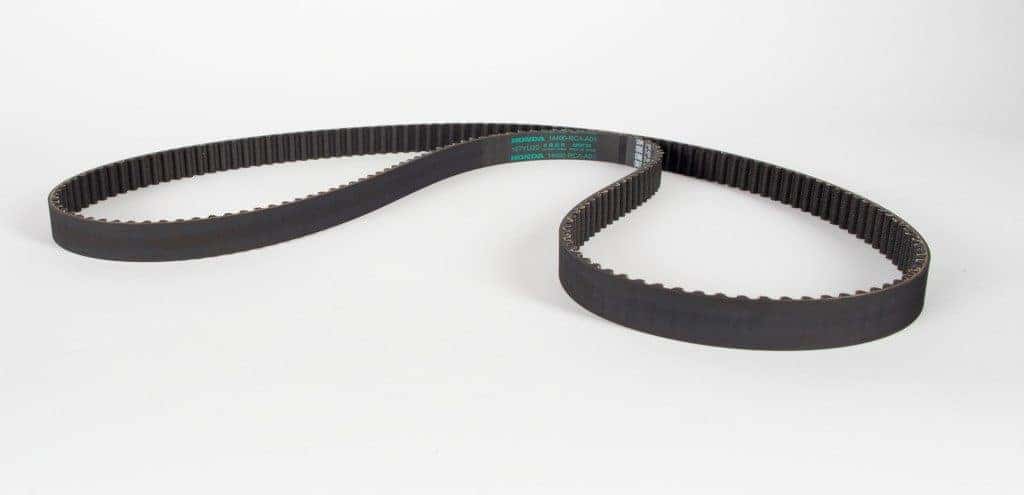
It circulates the coolant, and it is a wear item with a bearing and a seal. On several Acura V6 engines it is driven by the timing belt, which is why the water pump is routinely replaced at the same time as the belt: the labor to reach it has already been done, and a pump failure afterward would mean paying for that access twice.
A temperature-controlled valve that holds the engine at its designed operating temperature. Stuck closed causes overheating. Stuck open is subtler — the engine runs cooler than intended, the heater underperforms, fuel economy suffers and the engine management system may set a fault.
The radiator sheds heat into passing air and can corrode internally or become blocked externally with road debris. Hoses harden and crack with heat cycling. The cap holds system pressure, and pressure is what raises the coolant's boiling point — a cap that no longer seals properly is a genuinely common cause of overheating and one of the least expensive components in the whole system.
At low speed there is no ram air, so electric fans do all the work. Fan or fan control failure produces the classic pattern of a vehicle that runs fine on the highway and overheats in traffic.
This is the single most common way a well-intentioned top-up causes a problem.
Acura specifies its own long-life coolant, commonly referred to as Type 2. It is a pre-mixed, phosphate-based formulation chosen for the specific mix of metals, gaskets and seals in these engines, and it is designed to go a long time between changes precisely because its additive package is matched to them.
The bottles of green coolant on the shelf at an auto parts store are a different chemistry. Mixing chemistries does not simply average them out — the additive packages can react, and the results range from reduced corrosion protection to a gel that restricts flow through the radiator and heater core. That second outcome turns a top-up into a system flush and sometimes a parts replacement.
Two practical consequences. First, if you need to add coolant, add the correct type or add nothing and get it looked at; running slightly low for one short trip is less harmful than adding the wrong fluid. Second, if a previous owner or a quick-service shop topped it with something unknown, that is worth mentioning when you bring the vehicle in, because it changes what we check.
One note for ZDX owners: an electric vehicle still has coolant loops, serving the battery pack and the power electronics rather than an internal combustion engine. The thermal management system is different in design and in service requirements, and it is not a place for generic fluid either.
These get used interchangeably in advertising and they are not the same service. Knowing the difference is how you tell a recommendation from an upsell.
The radiator is drained and refilled with fresh coolant. Because a significant amount of coolant stays behind in the engine block and heater core, this replaces much of the fluid but not all of it. It is the appropriate service when the coolant is simply approaching the end of its service life and the system is otherwise healthy.
The system is circulated and evacuated to remove essentially all of the old fluid, along with any sediment or contamination. This is the right answer when coolant has been contaminated, when the wrong chemistry has been introduced, or when there is visible deposit in the system. It takes longer and costs more, and on a healthy system it is not necessary.
This is a real answer and it is often the right one. Acura's long-life coolant genuinely lasts a long time, and replacing it on a calendar rather than on condition spends money for nothing. We test the coolant's condition and the system's ability to hold pressure, and if both are good we will tell you so.
Whatever the service, the closing step matters: these systems need proper bleeding. Air trapped in an engine's cooling passages causes hot spots and inconsistent temperature readings, and it is the most common reason a cooling system job comes back.
Current service offers are listed on the service specials page.
Overheating is one of the few faults that can turn into serious engine damage within minutes, so it is worth knowing what to do before it happens.
It is deeply unpleasant on an August afternoon in the valley and it genuinely helps. The heater core is a second small radiator, and running it pulls real heat out of the engine while switching off the A/C removes load from the system.
If the needle keeps climbing or reaches the red, stop as soon as you can do so safely and switch off. Continuing to drive an overheating engine is how a cooling system repair becomes an engine repair, and the difference between those two is not small.
A hot cooling system is pressurized, and opening it releases coolant well above its atmospheric boiling point. This causes serious burns. Wait until the engine is cool to the touch, which takes considerably longer than most people expect.
If the vehicle has actually overheated, the sensible move is to have it brought in rather than attempting to nurse it here. Call the service department and we will tell you what to do next.
Cooling system service covers the current and recent Acura lineup, including turbocharged, hybrid and all-electric models.
Genuine Acura long-life coolant, matched to the metals and seals in your engine rather than whatever is on the shelf.
Coolant protection level and system pressure are measured. If it does not need replacing, we will say so.
Factory-trained on these engines, including the timing belt and water pump relationship on the V6.
The system is pressure-tested to locate a leak properly rather than replacing components in sequence until it stops.
Air left in the system causes hot spots and repeat visits. Correct bleeding is part of the job, not an afterthought.
We service vehicles that spend every summer in valley heat, and we inspect accordingly.
We serve drivers from Elk Grove, Sacramento, Roseville, Stockton, Modesto and Fairfield, and from Davis, West Sacramento and Woodland on the west side of the Causeway.
Acura long-life coolant is designed for an extended service life, and the correct interval for your model and year is in the owner's manual rather than in a general rule. What matters more than the number is condition: coolant can lose its corrosion protection before it looks any different, and heat accelerates that. We test the protection level and the system's ability to hold pressure and recommend based on what we measure.
No. Acura specifies its own long-life coolant, and generic green coolant is a different chemistry. Mixing them can reduce corrosion protection or form a gel that restricts flow through the radiator and heater core, turning a top-up into a flush. If you need to add coolant and do not have the correct type, it is better to add nothing and have the vehicle looked at.
A drain and fill empties the radiator and refills it, replacing much but not all of the fluid, since coolant remains in the block and heater core. A flush circulates and evacuates the whole system to remove essentially all of the old fluid along with any sediment. Drain and fill suits a healthy system reaching the end of its coolant's service life; a flush is for contamination, mixed chemistry or visible deposits.
At highway speed, air is forced through the radiator by the vehicle's motion. In traffic there is no such airflow, so the electric cooling fans do all the work. A vehicle that runs normally on the move and heats up at a standstill points strongly at the fans or their control circuit rather than at coolant or the radiator, and it is a pattern worth mentioning when you book.
Usually not. Clear, odorless water under the front of the car on a hot day is almost always condensate from the air conditioning, which is completely normal. Coolant is typically pink, blue, orange or green, feels slick rather than watery, and often has a sweet smell. If what you find is colored or slick, have it looked at rather than topping it up and waiting.
On Acura V6 engines that use a timing belt, yes, and it is usually the sensible choice. The water pump is driven by that belt, so the labor to reach it is already being performed. Replacing the pump separately later means paying for that same access a second time, which typically costs more than including it the first time.
Yes, though the system is different. An electric vehicle uses coolant loops to manage the temperature of the battery pack and the power electronics rather than an internal combustion engine. Those loops have their own fluid specification and service requirements, and they are not a place for generic coolant any more than an engine is.
Yes. Cooling system service, warranty work and open recalls are handled here regardless of where the vehicle was purchased, for drivers from anywhere in the Sacramento area.
Book online in under a minute, or call the service department and describe when it happens — in traffic, on a climb, or all the time. That detail narrows it down considerably.
Schedule Service Online Call Us: (877) 707-7834